Understanding Defensible Space: A Critical Strategy for Wildfire Protection
1/11/20262 min read
Defensible space is not a single cleanup, and it is not a buzz cut yard. It is a strategy for changing how fire can move through your property and reach your home. Good defensible space reduces ember ignitions, slows fire spread, and creates safer conditions for firefighters to defend a structure.
Start with the real problem, embers
In many destructive wildfires, wind driven embers are a primary cause of home ignitions. That is why modern guidance focuses on the immediate zone near the home, vents, roofs, and anything combustible touching the structure.
The defensible space zones, in plain language
Different agencies label zones a little differently, but the logic is consistent: the closer you get to the home, the more important it is to reduce fuels and eliminate direct ignition pathways.
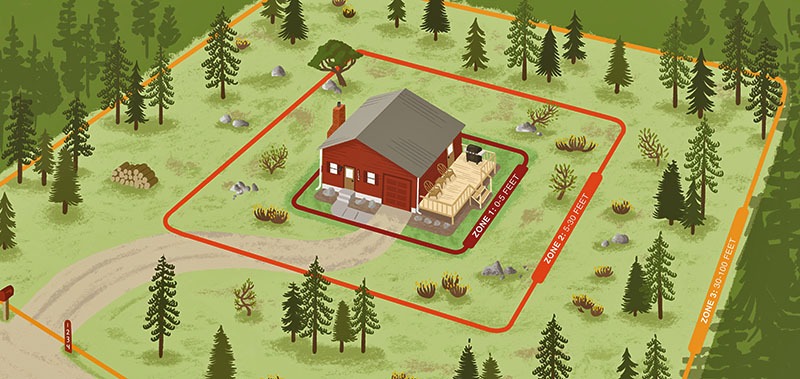
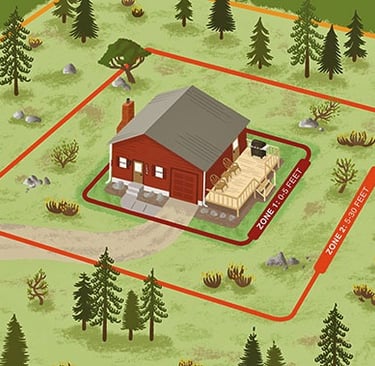
· 0 to 5 feet: the ember resistant zone. Focus is on non combustible surfaces, removing flammable storage, and breaking any path that can carry flame to the wall or deck.
· 5 to 30 feet: the lean, clean, and green zone. Focus is on spacing, keeping plants healthy and irrigated when appropriate, and preventing continuous fuels.
· 30 to 100 feet or to the property line: the reduced fuel zone. Focus is on thinning, removing dead material, and reducing ladder fuels so fire is less likely to climb into tree canopies.
Defensible space versus traditional landscaping
Traditional landscaping is usually aimed at beauty, convenience, and maintenance. Defensible space uses many of the same tools, but the goal is different. We still care about curb appeal and plant health, but we make decisions based on ignition pathways, fuel connectivity, and how fire interacts with structures.
· A defensible space plan prioritizes where changes matter most, not just where vegetation is thick.
· It includes near home non combustible choices, not only pruning and trimming.
· It often includes documentation for insurance or inspections, which traditional landscaping rarely provides.
What good defensible space looks like
· Healthy plants, not stressed stubs
· Clean edges and intentional spacing
· Removed dead material and obvious ember traps
· Open canopies and reduced ladder fuels, without stripping the landscape bare
Related reading
· Home ignition, how homes actually burn, and what to do about it
· Fire smart landscaping that still looks like a yard