Achieving Fire Smart Landscaping Without Compromising Aesthetics
1/11/20261 min read

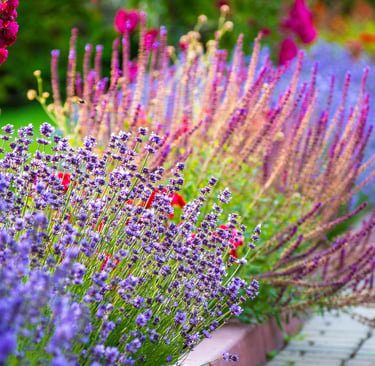
Fire smart landscaping is not about turning your yard into gravel. It is about designing and maintaining a landscape that is less likely to ignite, and less likely to carry fire to the home. The best version of this work improves curb appeal and makes future maintenance easier.
What we pay attention to
· Plant spacing and fuel breaks, so fire has fewer continuous pathways
· Plant structure, reducing ladder fuels and dense, dry interiors
· Moisture patterns, sun exposure, and wind corridors that influence how vegetation dries and how embers travel
· Material choices close to the home, including mulch and ground cover
Mulch and the near home zone
Mulch can be great for soil health, but some mulches can also ignite from embers. NFPA and IBHS have published research and guidance on mulch combustibility and the importance of a near home non combustible zone. Our usual approach is simple: keep the first five feet focused on non combustible materials and hard surfaces, then use soil building materials farther out where they do not create a direct ignition path to the structure.
Low impact work is better for the landscape and for long term outcomes
We prioritize precise hand pruning and targeted removal because it protects plant health and reduces unnecessary disturbance. Heavy equipment can compact soil, reducing pore space, water movement, and root growth. Keeping soils intact supports healthier plants, better infiltration, and easier long term maintenance.
Aesthetics is not a bonus, it is part of the safety plan
When a landscape looks intentional, people maintain it. When it looks like a rushed clear cut, people avoid it, and fuels often return in worse form. We aim for clean edges, thoughtful spacing, and plants that thrive in the local sun and moisture conditions.
Related reading
· Defensible space explained, what it is, and what it is not
· Home ignition, how homes actually burn, and what to do about it