Insurance, Fire District, or HOA Defensible Space Requirements
Who this is for: homeowners and property managers facing a written checklist, inspection notice, or non renewal risk.
2 min read
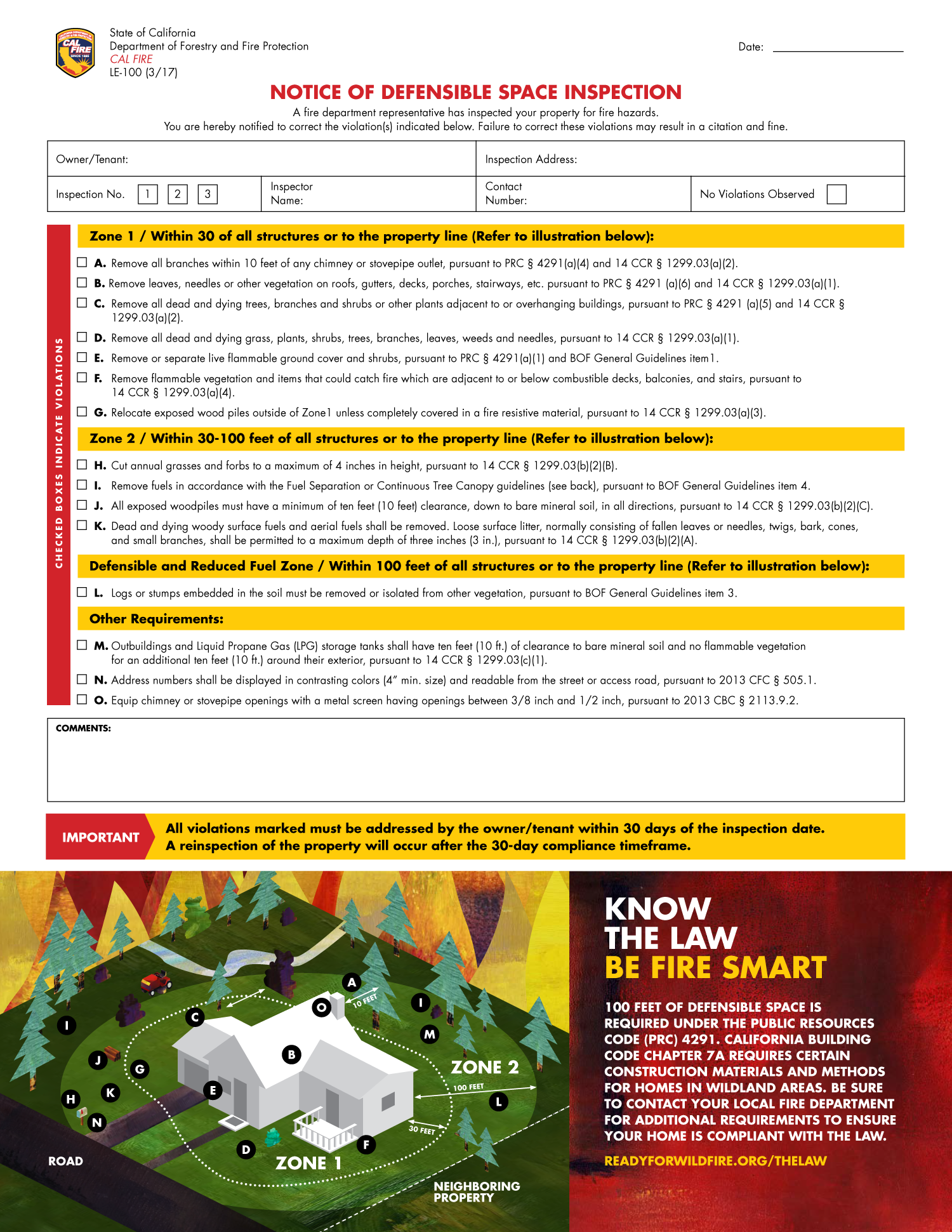
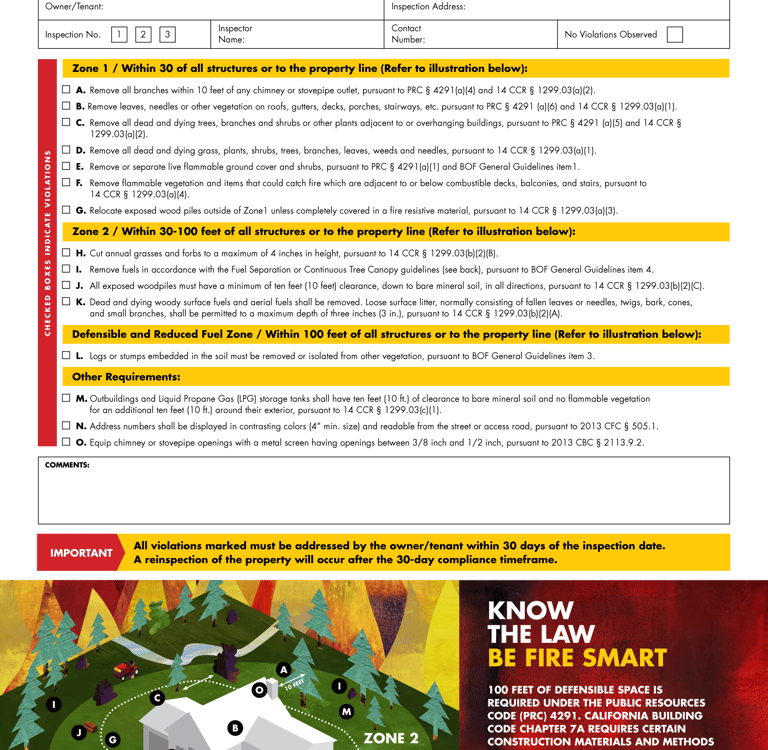
When you get a requirement letter or checklist, it can feel binary: do these items or lose coverage, or fail an inspection. In reality, many requirements are based on simplified rules meant to reduce ignition risk, and sometimes they are applied inconsistently. Our job is to help you meet the intent of the requirement while protecting the health, beauty, and long term value of your landscape.
What “compliance” usually means:
Most compliance programs are built around checkboxes. That is not inherently bad, it is how large systems manage risk at scale. But it can miss context. A good compliance plan translates the checklist into a site specific scope that reduces ignition pathways without unnecessary disturbance.
· We start with your written requirement, then interpret what the items are trying to prevent.
· We identify quick wins first, especially in the first five feet around the home, where embers often do the most damage.
· We document the work in a way that is easy to share with insurers, HOAs, and inspectors when needed.
When a requirement does not match the science:
Not every request is created equal. Sometimes an item is outdated, too broad, or applied as a blanket rule when the real hazard is more specific. In those cases, we can help you respond with clear photos, measurements, and a short explanation grounded in widely accepted wildfire guidance. We focus on the factors most tied to home ignition, including ember exposure, near home fuels, and building vulnerabilities.
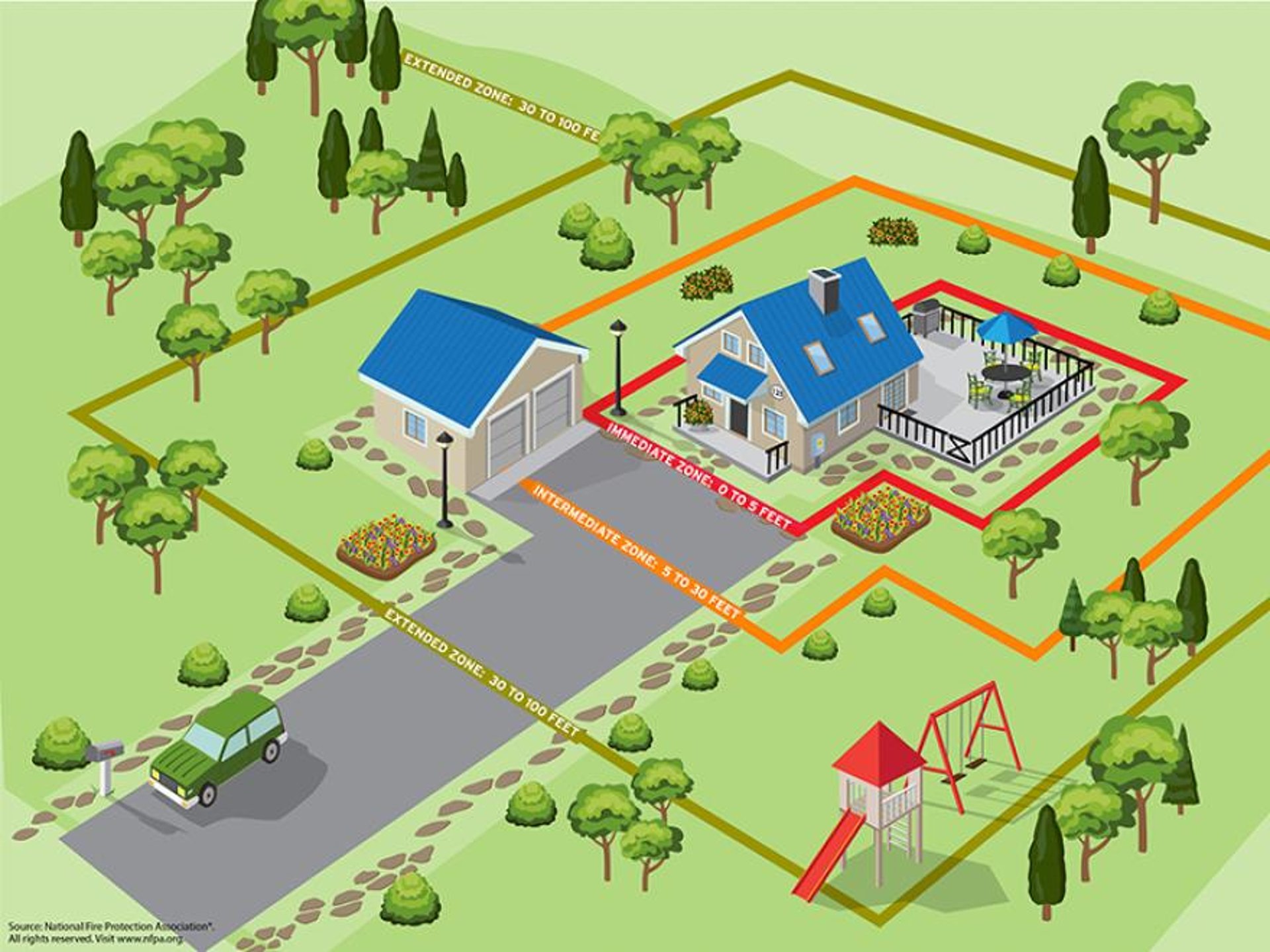
For example, both CAL FIRE and IBHS emphasize the importance of the immediate zone around the structure, especially the first 0 to 5 feet, because embers can ignite combustible materials right next to the home. Reducing combustibles in that zone often provides a bigger benefit than aggressive clearing farther out, depending on the parcel and the wind exposure.
Verification and documentation, why it matters:
Even great work does not help you if you cannot prove it. Some programs accept homeowner photos, some require third party inspection, and some use a mix. California’s Safer from Wildfires program is a clear example where proof or inspection may be required for discounts. Documentation also helps when a home is being sold, refinanced, or re evaluated for coverage.
· Before and after photos that match the checklist language
· A short scope summary tied to the requirement items
· Optional verification letter when a third party statement is helpful
How we can help:
· Translate your requirement into a clear, low impact scope
· Flag items that seem inconsistent, and propose science grounded alternatives
· Provide documentation and verification support when requested
· Coordinate with your property manager, HOA, or contractor team to keep the plan consistent across parcels
Related reading:
· Defensible space explained, what it is, and what it is not
· Home ignition, how homes actually burn, and what to do about it
· How to use your report for insurance, real estate, and long term planning